
How Modern Digital Learning Ecosystems Drive Higher Completion Rates

For training providers and academies, delivering a successful learning programme involves more than providing quality educational content. Learners also need to remain engaged, access learning resources conveniently, make steady progress and receive the right support throughout their programme. When these elements are difficult to manage, maintaining learner participation through to completion can become a challenge.
Traditional learning models often depend on fixed schedules, classroom attendance and access to physical resources. While these approaches can still be effective, they may not always accommodate the different schedules and learning preferences of today’s learners. Digital learning has introduced greater flexibility by allowing organisations to provide learning resources, activities and support through connected online environments.
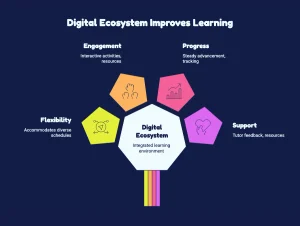
A modern digital learning ecosystem can bring together learning content, interactive activities, assessments, progress tracking and learner support within a more connected experience. For training providers and L&D decision-makers evaluating digital platforms, this approach offers an opportunity to create learning environments that are more flexible, engaging and measurable.
What Is a Digital Learning Ecosystem?
A digital learning ecosystem is an integrated environment that brings together the tools, resources and access points involved in delivering a learning programme. Rather than relying on separate systems for course materials, learner activities, assessments and progress monitoring, a connected digital environment can bring these functions together.
A modern ecosystem may include digital learning content, interactive modules, video resources, knowledge checks, practice assessments, progress tracking, tutor feedback, reporting and assessment tools. These features work together to create a more continuous learning experience rather than treating each stage of education as a separate process.
UKIQ‘s digital learning ecosystem reflects this approach by bringing together interactive learning media, tracking capabilities and digital learning and assessment solutions for training providers and approved centres. Its wider digital platform offering also supports areas such as learner registration, assessments, examinations, certification and progression.
This makes a digital learning ecosystem more than an online storage space for course materials. It can become part of the complete learner journey, helping connect learning, practice, assessment and progression.
For organisations considering a digital platform, this distinction is important. The most useful question is not simply whether a platform can host educational content, but whether it can support learners and providers throughout the wider learning process.
How Interactive Learning Environments Support Learner Engagement
Learner engagement is an important part of maintaining participation throughout a programme. When learners are given opportunities to interact with educational content, they can take a more active role in the learning process.
Digital learning environments can provide different ways to engage with a subject. Instead of relying entirely on reading materials or listening to presentations, learners may be able to complete quizzes, explore interactive modules, watch instructional videos, test their knowledge and practise before formal assessments.
The UKIQ Learning Hub includes a range of these features. Its digital learning environment provides interactive modules, flashcards, quizzes, video-based learning, digital libraries, practice assessments, knowledge checks and tutor feedback tools.
These features give learners opportunities to interact with content and check their understanding while progressing through a programme. UKIQ also identifies enhanced learner engagement as one of the benefits of its digital learning solutions, highlighting interactive activities, assessments and multimedia resources as part of the learning experience.
Interactive learning does not mean that every learner will automatically complete a programme. However, it can create a more active and varied learning experience, giving learners more opportunities to participate and practise what they are learning.
For training providers, this can be particularly useful when designing programmes for learners who may not always be able to attend traditional classroom sessions.
The Role of 24/7 Self-Paced Access in Supporting Completion
Flexibility is one of the major advantages of digital learning. Learners today may be balancing education with employment, family responsibilities or other commitments. A learning model based entirely on fixed schedules may not always fit these circumstances.
24/7 self-paced access gives learners greater control over when they study. Instead of requiring every learner to follow the same timetable, digital learning platforms can allow individuals to access resources according to their own schedules and learning pace.
UKIQ identifies 24/7 self-paced access as one of the core benefits of its digital learning ecosystem. Its Learning Hub is designed to allow learners to study anytime and anywhere, with flexible access, mobile compatibility and bite-sized learning options.
This flexibility can help reduce some of the practical barriers that may interrupt participation. A learner who is unable to study during a particular period can return to the programme later, while someone with limited study time can complete smaller sections when convenient.
For training providers, this can make digital learning particularly relevant to working professionals and other learners who need to fit education around existing responsibilities.
Flexible access should not be viewed simply as an additional convenience. When learners have more control over their study schedule, they may find it easier to maintain a consistent learning routine and continue progressing through their programme.
Flexible Learning and Knowledge Retention
Access to learning materials is only part of an effective digital learning experience. Learners also need opportunities to revisit information, practise concepts and check their understanding.
Digital learning platforms can support this process by keeping relevant resources available throughout the programme. Learners can return to video lessons, reference materials or previous learning activities when they need additional revision or clarification.
UKIQ’s Learning Hub combines video-based learning, digital libraries, knowledge checks and practice assessments to support this type of ongoing learning. The platform also highlights better knowledge retention as a benefit of using interactive and bite-sized learning resources.
This approach can be particularly useful when learners need to prepare for assessments. Instead of relying on a single classroom session or a one-time reading of course material, learners can revisit relevant resources and test their understanding before moving forward.
Flexible access can therefore work alongside learning reinforcement. The ability to return to materials when needed gives learners more opportunities to review information and strengthen their understanding over the course of a programme.
For training providers, this means that evaluating a digital platform should involve looking beyond simple content availability. The platform should also provide meaningful ways for learners to interact with and revisit that content.
Why Digital Learning Can Support Higher Learner Completion Rates
There is no single feature that guarantees a learner will complete a programme. Completion is influenced by a combination of factors, including engagement, accessibility, learning support, progress and assessment readiness.
A well-designed digital learning ecosystem can bring several of these factors together within one environment.
Learners can access resources when they are available to study, interact with learning materials, complete knowledge checks and practice assessments, and monitor their progress. Trainers and administrators can also gain greater visibility into learner activity and performance.
UKIQ’s digital solutions include real-time progress monitoring, allowing tutors, trainers and administrators to monitor learner performance and provide targeted support. The Learning Hub also includes progress tracking through study-duration metrics, completed modules and competency logs.
This type of visibility can help training providers understand how learners are progressing throughout a programme rather than waiting until the final assessment to identify potential difficulties.
When learners can clearly see their progress and training providers can identify areas that may require additional support, the learning experience can become more structured and responsive.
UKIQ’s digital ecosystem specifically positions engagement, self-paced access, progress monitoring and other digital capabilities as part of its approach to supporting higher learner completion rates.
The important point is that digital delivery should not be presented as a guaranteed solution to completion challenges. Its value comes from how different features work together to create a more accessible, engaging and measurable learning environment.
What Should Training Providers Look for When Upgrading to a Digital Platform?
Choosing a digital learning platform requires careful consideration of both learner needs and organisational requirements. A platform may offer numerous features, but those features should contribute to a practical and connected learning experience.
Training providers should first consider the level of interaction available. A platform that provides quizzes, multimedia, knowledge checks and practice activities can offer learners more opportunities to participate actively in their studies.
Flexible access is another important consideration. Learners should be able to access relevant resources when they need them, particularly when programmes are designed for working professionals or learners studying alongside other commitments.
Progress tracking is equally important. Visibility into completed modules, learner activity and performance can help learners understand their own development while allowing tutors and administrators to identify areas where support may be required.
Assessment capabilities should also form part of the evaluation process. A strong digital environment should support the transition between learning and assessment rather than treating them as completely separate activities.
UKIQ’s digital platforms include assessment and examination solutions alongside learning and progression tools, helping connect different stages of qualification delivery.
Training providers should also consider reporting and analytics. Data can help organisations understand learner performance and programme delivery, supporting more informed decisions about learner support and operational management.
Finally, scalability matters. As an organisation grows, its digital learning environment should be capable of supporting larger learner groups without compromising consistency or the learner experience. UKIQ identifies scalable delivery as one of the benefits of its digital learning solutions.
Why Upgrade Your Digital Learning Platform?
Upgrading a digital learning platform should involve more than simply moving existing educational materials online. The real opportunity is to create a more connected environment that supports learners throughout their programme.
A modern digital platform can connect learning resources with interactive activities, progress monitoring and assessment. This can make it easier for learners to understand what they need to complete while giving training providers greater visibility into programme delivery.
UKIQ’s digital solutions are designed to support different stages of the qualification journey, from registration and learning through assessment and certification. Its digital platforms also provide tools for progression monitoring, assessment management and digital certification.
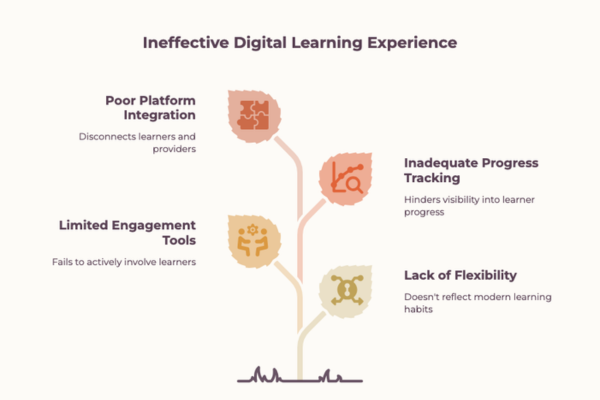
This wider approach can be valuable for training providers that currently rely on several disconnected tools. Instead of managing learning content, assessments and learner information across separate systems, organisations can explore platforms that provide a more integrated digital experience.
UKIQ also provides digital support and training for centres, including platform demonstrations, administrator and assessor training, technical support and implementation guidance.
For organisations considering why upgrade your platform, the focus should therefore be on the complete learning experience rather than one individual feature.
Creating a More Effective Digital Learning Experience
The move toward digital learning is not simply about replacing traditional classrooms with online content. It is about creating an environment that reflects how learners access information, study, practise and progress today.
A well-designed digital learning ecosystem can give learners greater flexibility while providing training providers with better tools for engagement, monitoring and assessment. Interactive resources can make learning more active, self-paced access can accommodate different schedules, and progress tracking can provide greater visibility throughout the programme.
When these capabilities are brought together, digital learning can become a more connected experience for both learners and training providers.
For organisations evaluating their next digital platform, the focus should therefore be on how well the technology supports the complete learning journey. A platform should make learning accessible while also providing the tools needed to encourage participation, monitor progress and support learners through assessment and completion.
In short
Modern digital learning ecosystems are changing how training providers deliver education and support learners throughout their programmes. Instead of relying solely on fixed schedules and traditional delivery methods, organisations can use digital platforms to create learning experiences that are more flexible, interactive and measurable.
Enhanced learner engagement can give learners more opportunities to participate in their studies. 24/7 self-paced access can make learning easier to fit around different schedules, while interactive resources and knowledge checks can support continued understanding and revision.
At the same time, progress tracking, assessment tools and reporting can give training providers greater visibility into learner development and help them provide appropriate support throughout the programme.
For organisations evaluating digital learning platforms, the objective should not simply be to move existing content online. The greater opportunity is to create a connected learning environment that supports learners from their first interaction with course materials through to assessment and completion.
Explore digital learning solutions built for engagement and completion.